

- Home
- Request for Quote
- Products
- Variable Frequency Drive Systems and Controls
- AC Variable Frequency Drives
- ABB ACS150 Component Drives :: Overview
- ABB ACS150 Component Drives :: Technical Specifications
- ABB ACS150 Component Drives :: Ratings, Types, Voltages and Construction – Prices
- ABB ACS150 Component Drives :: Dimensions, Weight and Noise
- ABB ACS150 Component Drives :: Interface and Options (prices)
- ABB ACS150 Component Drives :: Technical Data
- ABB ACS150 Component Drives :: Control Connections
- ABB ACS350 General Machinery Drives :: Overview
- ABB ACS350 General Machinery Drives :: Technical Specifications
- ABB ACS350 General Machinery Drives :: Ratings, Types, Voltages and Construction
- ABB ACS350 General Machinery Drives :: Dimensions, Weight and Noise
- ABB ACS350 General Machinery Drives :: Interface and Options (prices)
- ABB ACS350 General Machinery Drives :: Technical Data
- ABB ACS350 General Machinery Drives :: Control Connections
- ABB ACS550 AC Variable Frequency Drive :: Overview
- ABB ACS550 AC Variable Frequency Drive :: Hardware Description
- ABB ACS550 AC Variable Frequency Drive :: Standard Features and Options
- ABB ACS550 AC Variable Frequency Drive :: Specifications
- ABB ACS550 AC Variable Frequency Drive :: 230V Ratings (pricing)
- ABB ACS550 AC Variable Frequency Drive :: 380V Ratings (pricing)
- ABB ACS550 AC Variable Frequency Drive :: 480V Ratings (pricing)
- ABB ACS550 AC Variable Frequency Drive :: Dimensions: ACS550 NEMA 1 R1 through R6 Frame Size
- ABB ACS550 AC Variable Frequency Drive :: Dimensions: ACS550 NEMA 12 R1 through R6 Frame Size
- ABB ACS550 AC Variable Frequency Drive :: Dimensions: ACS550-02 NEMA 1 R7 Frame Size
- ABB ACS550 AC Variable Frequency Drive :: Dimensions: ACS550-02 NEMA 1 R8 Frame Size
- ABB ACS550 AC Variable Frequency Drive :: Dimensions: ACS550-U2 NEMA 1 R7 & R8 Frame Size
- ABB ACS 600 Adjustable Speed AC Drives
- ABB ACS800 AC Variable Frequency Drive :: Overview
- ABB ACS800 AC Variable Frequency Drive :: Standard Features / Available Options and Software
- ABB ACS800 AC Variable Frequency Drive :: Specifications
- ABB ACS800 AC Variable Frequency Drive :: Basic Type Code Information
- ABB ACS800 AC Variable Frequency Drive :: 230V Ratings (pricing)
- ABB ACS800 AC Variable Frequency Drive :: 380V Ratings (pricing)
- ABB ACS800 AC Variable Frequency Drive :: 460V Ratings (pricing)
- ABB ACS800 AC Variable Frequency Drive :: ACS 800-U2 NEMA 1 R7 & R8 Frame Size and ACS 800-02+C111 IP21 (NEMA 1) R7 & R8 Frame Size
- ABB ACS800 AC Variable Frequency Drive :: ACS 800 NEMA 1/12 R2 through R6 Frame Size
- ABB ACS800 AC Variable Frequency Drive :: ACS 800-02 NEMA 1 R7 & R8 Frame Size
- ABB ACS800 AC Variable Frequency Drive :: ACS 800-U4 Module R7 Frame Size
- ABB ACS800 AC Variable Frequency Drive :: ACS 800-U4 Module R8 Frame Size
- ABB ACS880 Industrial Low Voltage AC Drives
- ABB ACS880 AC Drives – Technical Data
- Wall-mounted single drives, ACS880-01
- ABB ACS880 Ratings, types and voltages
- ABB ACS880 AC Drives – Dimensions & Connectivity
- ABB ACS880 AC Drives – Standard Software
- ABB ACS880 AC Drives – Intuitive Human-Machine Interface
- ABB ACS880 AC Drives – Integrated Safety
- ABB ACS880 AC Drives – Flexible Connectivity
- Input/output Modules, Speed Feedback Interfaces & Communication Modules
- ABB Softstarters, Type SSM, Medium Voltage, 2300-13,800V :: Description
- ABB Type SSM Softstarters – Medium Voltage, 2300-13,800V :: General Information
- ABB Type SSM Soft Starters – Medium Voltage, 2300 – 13,800V :: Catalog Numbers
- ABB Soft Starters, Type SSM – Medium Voltage, 2300-13,800V :: Technical Data
- ABB Softstarters, Type SSM, Medium Voltage, 2300-13,800V :: Approx. Dimensions
- Yaskawa AC Drives
- AuCom Soft Starters
- Emerson Industrial Automation (Control Techniques and Saftronics) AC Drives
- Control Techniques – Commander SE AC Drive
- Control Techniques – Commander SK AC Drive
- Commander SK :: Features
- Commander SK :: Terminal Diagram and Description
- Commander SK :: Specifications and Dimensions
- Commander SK – Options :: Overview
- Commander SK – Options :: Configuration and Programming
- Commander SK :: Operator Interface
- Commander SK :: Power Accessories
- Commander SK :: Environmental Protection and Cable Management
- Commander SK :: Input / Output
- Commander SK :: Communication
- Commander SK :: Programming Software
- Control Techniques – Commander SX AC Drive
- Commander SX :: Features, Ratings, Prices and Ordering
- Commander SX :: Terminal Diagram and Description
- Commander SX:: Specifications and Dimensions
- Commander SX :: Options – Overview / Drive Configuration and Programming
- Commander SX :: Communication / Operator Interface
- Commander SX :: Power Accessories
- Commander SX :: Input/Output and Communication
- Control Techniques – Unidrive SP AC Drive
- Unidrive SP :: Features
- Unidrive SP :: Ratings, Prices & Ordering – Wall Mount
- Unidrive SP :: Ratings, Prices & Ordering – Free Standing Cubicle
- Unidrive SP :: Unidrive SP Regen Mode
- Unidrive SP :: Terminal Diagram and Description
- Unidrive SP :: Specifications and Dimensions
- Unidrive SP :: Options – Overview
- Unidrive SP :: Operator Interface
- Unidrive SP :: Power Accessories
- Unidrive SP :: Option & Feedback Modules
- Unidrive SP :: Option Input / Output Modules
- Unidrive SP :: Option Application / Programming Modules
- Unidrive SP :: Option Communication Modules
- Unidrive SP :: Drive Configuration and Programming
- Unidrive SP :: Application Programming Software
- Unidrive SP :: Pre-packaged Solutions
- Saftronics GP10 AC Drives
- Saftronics GP10 – Pricing, Dimensions & Weights
- Saftronics GP10 – Optional DC Link Reactors
- Saftronics GP10 – Options & Accessories
- Saftronics GP10 – Palm Pilot Saflink Kit
- Saftronics GP10 – SR10 Radio Modem Kit
- Saftronics GP10 – Relay Output Card
- Saftronics GP10 – Digital I/O Interface Card
- Saftronics GP10 – Analog I/O Interface Card
- Saftronics GP10 – SF-10 Ethernet Module
- Saftronics GP10 – Interface Option Card
- Saftronics GP10 – Under Torque Detection Option
- Saftronics GP10 – 24 VDC or 24/120 VAC Interface
- Saftronics GP10 – Air Pressure Sensor + V/I Converter Output Card
- Saftronics GP10 – HMI Pump Controller
- Saftronics GP10 – SDBU – Dynamic Brake Module
- Saftronics GP10 – 208-230V Dynamic Brake Packages
- Saftronics GP10 – 460V Dynamic Brake Packages
- Saftronics GP10 – Ratings Efficiency & Watts Loss
- Saftronics GP10 – Standard Specifications
- Saftronics GP10 – Basic Connection Diagram
- Saftronics GP10 – Basic Connection Diagram to PLC
- Saftronics GP10 – Basic Connection Diagram (Europe)
- Saftronics GP10 – Basic Connection to PLC (Europe)
- Saftronics S10 AC Drives
- Saftronics S10 – Options and Accessories
- Saftronics S10 – Standard Specifications
- Saftronics S10 – Dimensions
- Saftronics S10 – Dimensions – Part Number: S102002 – S102003 & S104001 – S104003
- Saftronics S10 – Dimensions – Part Number: S102F25 – S102001
- Saftronics S10 – Dimensions — Part Number: S102F25 – S102001 no Operators
- Saftronics S10 – Dimensions – Part Number: S102002-2003 & S104001-4003
- Saftronics S10 – Basic Wiring Diagram
- Saftronics CV10 AC Drives
- Saftronics CV10 – Part Numbers, Dimensions & Weights
- Saftronics CV10 – LED Keypad with Speed Pot
- Saftronics CV10 – LCD Keypad (supports 5 Languages)
- Saftronics CV10 – Keypad Extension Cable
- Saftronics CV10 – Communication Option Cards
- Saftronics CV10 – Bi-Polar Speed Reference Option Card
- Saftronics CV10 – Standard Specifications
- Saftronics CV10 – Ratings Efficiency and Watts Loss
- Saftronics CV10 – Dimensions Frame 1 – IP20 (Open Chassis)
- Saftronics CV10 – Dimensions Frame 1 – NEMA 1
- Saftronics CV10 – Dimensions Frame 2 – IP20 (Open Chassis)
- Saftronics CV10 – Dimensions Frame 2 – NEMA 1
- Saftronics CV10 – Dimensions Frame 3 – IP20 (Open Chassis)
- Saftronics CV10 – Dimensions Frame 3 – NEMA 1
- Saftronics CV10 – Basic Wiring Diagram
- Saftronics VG10 AC Drive
- Saftronics VG10 – Pricing, Dimensions & Weights
- Saftronics VG10 – Optional DC Link Reactors
- Saftronics VG10 – Options and Accessories
- Saftronics VG10 – Palm Pilot Saflink Kit
- Saftronics VG10 – Relay Output Card
- Saftronics VG10 – SR10 Radio Modem Kit
- Saftronics VG10 – Digital I/O Interface Card
- Saftronics VG10 – Analog I/O Interface Card
- Saftronics VG10 – SF-10 Ethernet Module
- Saftronics VG10 – PGX Encoder Feedback Card
- Saftronics VG10 – Encoder + Analog Output Card
- Saftronics VG10 – PG Feedback Card SOPCG11SPG
- Saftronics VG10 – PG Feedback Card SOPCG11SPG2
- Saftronics VG10 – Synchronized Operation Card
- Saftronics VG10 – 24 VDC or 24/120 VAC Interface Card Kit
- Saftronics VG10 – Air Pressure Sensor + V/I Converter Output Card
- Saftronics VG10 – SDBU – Dynamic Brake Module
- Saftronics VG10 – 208-230V Dynamic Brake Packages
- Saftronics VG10 – 460V Dynamic Brake Packages
- Saftronics VG10 – Ratings Efficiency and Watts Loss
- Saftronics VG10 – Standard Specifications
- Saftronics VG10 – DC Link Reactor 100 HP and Above
- Saftronics VG10 – Basic Connection Diagram (Sink Logic, Mainly America)
- Saftronics VG10 – Basic Connection Diagram to PLC (Sink Logic, Mainly America)
- Saftronics VG10 – Basic Connection Diagram (Source Logic, Mainly Europe)
- Saftronics VG10 – Basic Connection Diagram to PLC (Source Logic, Mainly Europe)
- Saftronics PC10 (Obsolete) AC Drives
- Saftronics PC10 – Options & Accessories
- Saftronics PC10 – SF-10 Ethernet Module Kit
- Saftronics PC10 – 24 VDC or 24/120 VAC Input + Relay Option Card
- Saftronics PC10 – 24 VDC or 24/120 VAC Interface Card Kit (PC10, GP10, or VG10 Inverter)
- Saftronics PC10 – Relay Output Card
- Saftronics PC10 – HMI Pump Controller
- Saftronics PC10 – PC10 120 VAC Option Card
- Saftronics PC10 – Palm Pilot Saflink Kit
- Saftronics PC10 – Dynamic Braking
- Saftronics PC10 – Drive Ratings Efficiency and Watts Loss
- Saftronics PC10 – Standard Specifications
- Saftronics PC10 – Part Number: PC102F12-9, PC102F25-9, PC102F50-9 & PC102001-9
- Saftronics PC10 – Part Number: PC102002-9, PC102003-9, PC104F50-9, PC104001-9, PC104002-9 & PC104003-9
- Saftronics PC10 – Part Number: PC102005-9 & PC104005-9
- Saftronics PC10 – Part Number: PC102007-9, PC102010-9, PC104007-9 & PC104010-9
- Saftronics PC10 – NEMA 1 Kit Dimensions
- Saftronics PC10 – Basic Wiring Diagram
- Fincor 5700 Series (Obsolete) AC Drive
- Fincor 5740 Series (Obsolete) AC Drive
- Fincor 5750 Series (Obsolete) AC Drives
- Motortronics Soft Starters
- SOLCON Soft Starters
- SOLCON RVS-DN Digital Soft Starter with Advanced Motor Protection
- Solcon HRVS-DN Digital Soft Starter with Advanced Motor Protection
- Solcon HRVS-TX Digital Transformer Soft Starter
- SOLCON RVS-AX Analog Soft Starters
- SOLCON Solstart Plus Analog Soft Starters
- SOLCON RVS-BX Basic Soft Starter with Built-In Bypass
- SOLCON RVS-DX Digital Soft Starter with Built-In Bypass
- SOLCON RVS-EX Digital Soft Starter for Explosion Proof motors with Built-In Bypass
- SOLCON SEM-N Rugged Soft Starter for Naval and Military Specifications
- SOLCON SOLSTART Miniature Analogue Soft Starter
- SOLCON SOLSTART 1P Single Phase Analogue Soft Starter
- SOLCON SOLBRAKE DC Injection Brake Soft Starter
- Magnetek – Soft Starters
- WEG Variable Frequency Drives, Controls and Motors
- ABB ACS150 Component Drives :: Overview
- DC Variable Speed Drives
- DC Drive Fundamentals
- ABB DCS 400 Digital DC Converter Drive
- ABB DCS 500 DC Drive
- ABB DCS800 DC Drives Overview
- DCS800 – Power Converter Modules
- DCS800 Panel Drive
- DCS800 Enclosed Converters
- DCS800 Rebuild and Upgrade Kits
- Adaptive Programming and Start-up Assistants
- DriveWindow Light – Startup and Maintenance Tool
- DCS800 Commissioning Macros
- DCS800 Firmware
- DCS800 Technical Specifications
- Current Ratings – Modules – Non-Regenerative
- Current Ratings – Modules – Regenerative
- Current Ratings – Modules – DCS800-EP Panel Drive
- DCS800 Dimensions and Weights
- DCS800 Technical Diagram
- DCS800 Plug-in Options
- DCS800 Feedback Options
- DCS800 Communication Options – Fieldbus Control
- DCS800 External Field Supply
- ABB DCS800-EP replaces Reliance FlexPak® 3000 – 230V Drive Cross Reference
- ABB DCS800-EP – 460V Drive Cross Reference
- ABB DCS800-EP – Options Cross Reference
- ABB DCS800-EP – Product Differences and Remedies – Hardware
- ABB DCS800-EP – Product Differences and Remedies – Control/Interface & Features
- ABB DCS800-EP – Drive Dimensions
- ABB DCS800-EP – Installation Procedure – Wiring and Configuration
- ABB DCS800-EP – Parameter Cross-Reference
- FINCOR Series 2600/2610 DC Drives
- 50 Amp & 90 Amp DC Field Regulators
- Mentor II | Quantum III | FXM5 Change of Status
- SIMOREG 6RA24 Siemens DC Drive Features
- SIMOREG 6RA70 Siemens Variable Speed DC Drive Description and Base Drive Catalog Numbers
- SIMOREG 6RA70 Siemens DC Drive Features
- SIMOREG 6RA70 DC Master Design & Operation – Converters
- SIMOREG 6RA70 Design & Operation – Parameterization Devices
- SIMOREG 6RA70 Design & Operation – Software Structure
- SIMOREG 6RA70 Design & Operation – Closed-Loop Functions in Armature Circuit
- SIMOREG 6RA70 Design & Operation – Closed-Loop in Field Circuit
- SIMOREG 6RA70 Design & Operation – Optimization Run
- SIMOREG 6RA70 Design & Operation – Monitoring & Disgnosis
- SIMOREG 6RA70 Design & Operation – Functions of Inputs & Outputs
- SIMOREG 6RA70 Design & Operation – Safety Shutdown (E-STOP)
- SIMOREG 6RA70 Design & Operation – Serial Interface
- 1000 Hp DC Variable Speed Drive System
- 3000 Hp DC Variable Speed Drive
- Permanent Magnet DC Motors
- SCR Drive Controllers (SCR-Silicon Controlled Rectifier)
- Custom Electric Control Panel Shop
- GE AC & DC Motors (G.E. Motors – General Electric AC & DC Motor)
- GE X$D Ultra® NEMA Premium Efficiency – TEFC AC Motors
- GE Kinamatic® Explosion Proof AC Motors
- GE Energy Saver® – TEFC Severe Duty AC Motors
- GE Kinamatic® General Purpose AC Motors
- GE Motors Energy Saver NEMA Premium Efficiency – ODP AC Motors
- GE ValueLine™ EPAct Efficiency – TEFC AC Motors
- GE ValueLine™ EPAct Efficiency – ODP AC Motors
- GE Permanent Magnet Custom DC Motors
- GE ValueLine™ Vertical Hollow Shaft AC Motors
- GE Permanent Magnet Standard DC Motors
- GE ASD Inverter Duty AC Motors
- G.E. Permanent Magnet Washdown DC Motors
- Avtron – Drives, Measurement and Tachs
- Avtron – Adjustable Speed Drives and Drive Systems
- Avtron – Speed and Length Measurement
- Avtron – Tachs, Tachometers, Encoders, Rotary Pulse Generators
- Avtron – Sales Literature and Instruction Sheets
- Avtron – Classic Tach Models
- Avtron – Price Quotation Request Form
- Avtron – Tachometers Availability
- Avtron – Heavy, Mill-Duty Encoders
- Avtron – Setting Air Gap on M285 Sensors
- Avtron – M4 Universal Encoder
- Avtron – M56, M67, M85 THIN-LINE
- Avtron – M285QUAD Outline Drawing
- Avtron – Severe Duty Encoders
- Avtron – Mill-Duty Encoders
- Avtron – M3 Universal Encoder
- Avtron – M3 Applications
- Avtron – M3 Installation
- Avtron – M3 Specifications
- Avtron – Tach Accessories
- Avtron – Tach Solutions
- Avtron – Rugged Environments
- Avtron – Selection by Motor Frame Size
- Avtron – Adapter Kits Outline Drawings
- Avtron – Motors with Brakes
- Avtron – NEMA C Face Mounting
- Avtron – Market Specific Applications
- Dynapar Encoders and Tachs
- ACURO AI25 Encoders
- Acuro Series AI25 Absolute Encoder with DeviceNet Interface
- Acuro Series AI25 Absolute Encoder with Profibus Interface
- Acuro Series AI25 Absolute Encoder with Interbus Interface
- Acuro Series AI25 Absolute Encoder with BiSS Interface
- Acuto Series AI25 Optical Encoders with SSI Interface
- Acuro Series AI25 Absolute Encoder with Parallel Interface
- Acuro Series AD25 Drive Absolute Encoder
- Series R25 – Mill Duty, HOUSED Resolver
- Series 21/22 Heavy Duty Incremetal Encoders
- Series H20 Encoder
- Series HA25 Dynapar Heavy Duty Encoders
- Series HR25 Incremental Encoders
- Series HC25 Incremental Encoders
- Series H58 Heavy Duty Encoders
- Series H42 Heavy Duty Encoders
- Series HA725 Indusrtial Duty Encoders
- Series HD20 Optical Encoder
- Series HD25 Optical Encoder – Harsh Duty
- Series H56 Rotopulser Heavy Duty Encoders
- RIM Tach 6200 Digital Tachometer
- Series X25 Incremental Encoders
- Series 60 Rotopulser Incremental Encoders
- Series H20 Hub Shaft Encoders
- Series HSD25 Harsh Duty Optical Encoders
- Series HSD44
- Series HS20 Sealed Hollow Shaft Encoders
- Series HS35 Sealed Hollow Shaft Encoders
- The NEW HS35R
- Series HSD35 Shaftless Optical Encoder
- Series HSD37 Hollowshaft Rotary Encoder
- Series HSD38 Harsh Duty Optical Encoder
- Series DWD38 Heavy Duty Rotary Encoders
- SLIM Tach HS56 Incremental Encoder / Tachometer
- RIM Tach HS85 Digital Tachometer
- SLIM Tach SL56 Rotary Encoder
- SLIM Tach RL67 Incremental Rotary Encoder
- SLIM Tach SL85 Digital Tachometer
- SLIM Tach SL1250 Incremental Encoder
- RIM Tach 8500 Digital Tachometer
- RIM Tach 1250 Digital Tachometer
- Series R45 Rotopulser Incremental Encoders
- ACURO AI25 Encoders
- Spare Parts and Replacement Parts
- PLC (Programmable Logic Controllers)
- Services
- Projects
- Operator Stations by Joliet Technologies
- AC VFD, AC Controllers and DC VSD by Joliet Technologies
- Material Handling Modernization Project by Joliet Technologies
- 10 DC (SCR) Drive System :: Neptune Marine Oil & Gas
- Mermaid Offshore Services :: 4 DC (SCR) Drive Cabinets
- “Frontier Driller” Offshore Oil Rig :: DC (SCR) Drive Bays
- 1000Hp Siemens SIMOREG 6RA70 DC Variable Speed Drive Retro-Fit
- Smurfit-Stone: Corrugator Crew Sets Production Record
- Steel Slitting Line for Braner USA
- 1000HP DC Drive, Bow Thruster Application for Pegler Automation
- 1000HP DC Traction Motor Drive, Slurry Pump Application for Baker Hughes
- Siemens 6RA70 DC Drive and GE 752 Traction Motor to Hallett Materials
- ABB ACS 800 VFD to Applied Synergistic
- Two 200Hp Variable Speed DC Drives and Motors to JHT Electronics
- Substrate Technology Inc. :: Joliet Technologies, L.L.C.
- Wyco Tool Company
- Variable Frequency Drives and Controls for Food Processing and Bakery Machinery
- Information
- Guide to Harmonics with AC Variable Frequency Drives
- Variable Speed Drives – Application Information
- Reducing harmonics caused by variable speed drives
- FAQ – Variable Speed Drives Frequently Asked Questions
- EASA Electrical Engineering Handbook
- Part Winding Start
- 3Ph Motors, Single Speed
- 3Ph Motors, 2 Speed, Single Winding
- Connections for NEMA DC Motors
- Connections for NEMA DC Generators
- Field Polarities of DC Machines
- Maximum Locked-Rotor Currents – Three-Phase Squirrel Cage Motors
- NEMA Code Letters for AC Motors
- General Speed-Torque Characteristics
- Effect of Voltage unbalance on Motor Performance
- Starting Characteristics of Squirrel Cage Induction Motors
- Allowable Starts and Starting Intervals
- NEMA Size Starters for Three-Phase Motors
- Starter Enclosures
- NEMA Size Starters for Single-Phase Motors
- Determining the Polarization Index of Machine Windings
- Formulas for Electrical Motors
- Motor Application Formulas
- Glossary of Terms
- Variable Frequency Drive (VFD) Case Studies
- VFD Case Studies – ABB drives & motors help to launch lifeboats quickly and safely.
- VFD Case Studies – Paperboard mill benefits from using DC drives
- VFD Case Studies – ABB Drive cuts water pumping bill for semiconductor plant.
- VFD Case Studies – Insulation manufacturing process saves energy with ABB :: Joliet Technologies
- VFD Case Studies – ABB drives cut costs at MINI production plant
- VFD Case Studies – Film maker slashes costs with ABB drives
- VFD Case Studies – ABB drive cuts costs for wooden toy company
- VFD Case Studies – Close pump control doubles efficiency for West of Scotland Water
- VFD Case Studies – ABB Energy Appraisal Saves Money :: Joliet Technologies
- VFD Case Studies – Staggering energy savings prove value of professional audit
- VFD Case Studies – Soft starters save costs for mechanical engineers
- NEMA Frame Chart and T-Frame Chart :: Joliet Technologies
- Model 1681 Instruction Manual – Firing Circuits DC SCR Drives
- IGBT – Insulated Gate Bipolar Transistors :: Joliet Technologies
- Blog
Blog
How to Choose the Right Face Mechanical Seal?
Choosing the right Face Mechanical Seal begins with the conditions inside the pump, not with a catalog photograph. The seal must handle the fluid, pressure, temperature, shaft speed, and operating cycles found at your site. A design suited to clean water may struggle with abrasive slurry or a volatile process fluid. Small details matter.
Before comparing seal types, record the pump’s operating range and any unusual events. Note solids, corrosion risks, startup frequency, and possible dry running. These details help narrow material and arrangement choices, such as the face combination, elastomers, and single or dual seal configuration. Ask how the proposed design manages heat and flush requirements. A technically suitable seal can still fail when installation, alignment, or support systems are overlooked.
Machinery reliability expert Heinz P. Bloch has written extensively about reliable rotating equipment. Rather than inventing a verbatim quotation, this guide offers an editorial paraphrase of that reliability-minded approach: “Match the seal to real operating conditions, not ideal assumptions.” Even experienced teams can miss short temperature spikes or occasional dry running. That is worth reviewing. The best choice balances service life, maintenance access, safety, and total operating cost, with evidence from comparable applications. Request documented limits and clarify what changes would invalidate the recommendation. Then compare options against your actual duty, not just the lowest purchase price. A Face Mechanical Seal is a small component, but its failure can interrupt an entire process.
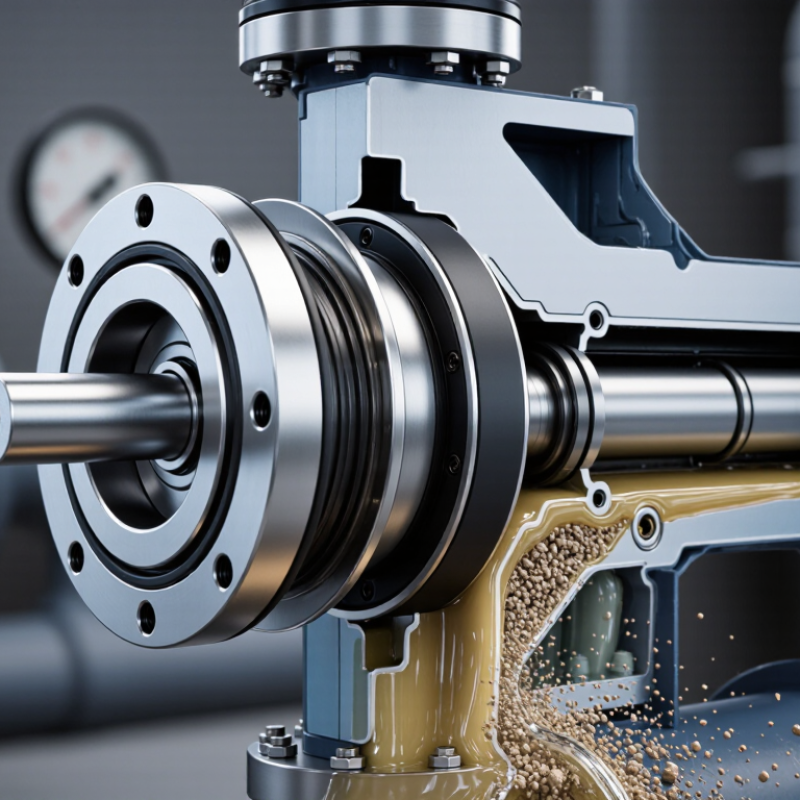
Key Operating Conditions That Shape Face Mechanical Seal Selection
How to Choose the Right Face Mechanical Seal?
Key Operating Conditions That Shape Face Mechanical Seal Selection
A face mechanical seal should match the fluid, pressure, temperature, and shaft speed—not just the pump model. Start with the process fluid: its viscosity, lubricating ability, and chemical properties affect face materials and elastomer compatibility. A hot, low-viscosity liquid may provide less stable lubrication than a cool, clean fluid. Small details matter.
Pressure changes the load across the seal faces and can influence leakage and wear. Higher speeds add heat, especially when cooling or lubrication is limited. Check both normal and peak conditions, including startup, shutdown, and brief process upsets. These are easy to overlook. If the equipment may run dry, even for a short period, tell the seal supplier; dry running can quickly damage contacting faces.
Solid particles, crystallizing liquids, and poor flushing can also shorten seal life. For abrasive service, face materials and a suitable flush arrangement may reduce wear, but the right choice depends on particle size and concentration. Frequent starts and stops deserve attention too. Record actual operating data where possible, then confirm material compatibility and seal arrangement with a qualified engineer. Data from a clean test run may not reflect a fouled, hot process line.
How Seal Design and Arrangement Affect Application Needs
How to Choose the Right Face Mechanical Seal?
How Seal Design and Arrangement Affect Application Needs
A face mechanical seal should match the fluid, pressure, temperature, and operating cycle—not just the pump size. Single seals suit many clean, stable services. Double-seal arrangements can add a controlled buffer or barrier fluid when leakage control or process conditions demand it. Balanced face designs can reduce closing force at higher pressures, while material choices must account for abrasives, dry running, and chemical compatibility.
Small details matter. A seal that works at steady speed may struggle during frequent starts or temperature swings. The U.S. Department of Energy’s Improving Pumping System Performance sourcebook estimates that pumping systems use nearly 20% of global electricity and 25–50% of energy in some industrial operations. That figure concerns pump systems, not seals alone, but it highlights why operating conditions and efficiency deserve attention.
Tips: Record pressure, temperature, fluid properties, and start-stop frequency before selecting an arrangement. Confirm the support plan and installation space, too. One point is easy to overlook: real operating conditions may differ from the design sheet. Check the data with maintenance and process teams, then review the choice against applicable engineering standards.
Choosing Face and Secondary Seal Materials
How to Choose the Right Face Mechanical Seal?
Choosing Face and Secondary Seal Materials
The seal faces meet continuously, so their materials must suit both the fluid and operating conditions. Silicon carbide resists abrasion and corrosion in many services, while carbon graphite can provide useful self-lubrication. Tungsten carbide may handle heavy wear, but its performance depends on the grade and fluid. No material is best in every pump.
Check fluid chemistry, temperature, pressure, shaft speed, and the chance of dry running. Fine abrasive particles can score a face; poor lubrication can create heat and wear. Material charts help, but they can make the decision seem simpler than it is. Include cleaning fluids and changing concentrations in the review. A short operating upset may matter as much as steady conditions.
Secondary seals, such as O-rings, need equal care. EPDM often suits water-based fluids, while FKM may fit many oils and fuels; compatibility still depends on temperature and specific chemistry. NBR can work in some oil services, but heat and fluid additives may limit its life. Check swelling, hardening, and extrusion risks against actual operating data. A small sample test can expose problems that a generic chart misses. Recheck the choice if the process fluid changes.
How to Choose the Right Face Mechanical Seal? - Choosing Face and Secondary Seal Materials
| Material group | Material | Typical role and suitable conditions | Selection advantages | Limitations and checks |
|---|---|---|---|---|
| Seal faces | Carbon-graphite | Commonly used for one face in general-purpose seals; often paired with silicon carbide or tungsten carbide. | Low friction and good conformability; can run against a hard face in many liquid services. | Grade, impregnation, fluid lubricity, and chemical compatibility matter. Some grades are unsuitable for strong oxidizers or certain chemicals. |
| Silicon carbide (SiC) | Used for hard faces in abrasive, corrosive, or demanding services; commonly paired with carbon or another SiC face. | High hardness, wear resistance, and corrosion resistance in many applications. | Can be brittle and vulnerable to impact or poor installation. Reaction-bonded and sintered grades can differ in chemical compatibility. | |
| Tungsten carbide (WC) | Often selected for abrasive or high-wear duties, typically as a hard face paired with carbon or another hard face. | High hardness and strength; suitable grades can provide strong wear resistance. | Binder composition affects corrosion resistance. Check the specific grade against the process fluid and cleaning chemicals. | |
| Alumina ceramic | Used in some clean, relatively moderate-duty applications, commonly paired with carbon. | Hard and electrically insulating; may be a practical option where its chemical and operating limits are suitable. | More susceptible to thermal shock and mechanical damage than many tougher face materials. Verify grade, temperature changes, and pressure conditions. | |
| Face-pair selection | Typical combinations include carbon against SiC or WC; hard-face pairs may be considered for abrasive service. | Pairing balances wear resistance, friction, heat generation, and the need for one face to accommodate minor misalignment. | No pairing is universally best. Consider lubrication, solids, pressure, speed, flushing, and the seal manufacturer’s design limits. | |
| Secondary seals | NBR (nitrile rubber) | Common elastomer for oils, fuels, and general-purpose services; typical compound temperature range is approximately −30 to 100°C. | Good resistance to many petroleum oils and generally economical. | Limited resistance to ozone, weathering, and many solvents. Actual temperature and fluid limits depend on the compound. |
| EPDM | Often used with water, steam, and some dilute chemicals; typical compound temperature range is approximately −40 to 150°C. | Good resistance to water, weathering, and ozone. | Generally unsuitable for petroleum oils and many hydrocarbon fluids. Confirm compatibility with the exact fluid and concentration. | |
| FKM (fluoroelastomer) | Often selected for oils, fuels, and many chemicals; typical compound temperature range is approximately −20 to 200°C. | Good heat and chemical resistance across many common services. | Low-temperature flexibility and chemical resistance vary by grade; some hot-water, steam, or chemical duties require another material. | |
| FFKM (perfluoroelastomer) | Used in demanding chemical or high-temperature service where standard elastomers are unsuitable. | Can provide broad chemical resistance and high-temperature capability in selected grades. | High cost; temperature limits and compatibility are grade-specific. Check the compound data for the actual fluid and exposure conditions. | |
| PTFE | Used as a secondary sealing element, often in a spring-energized or other designed configuration; some grades cover roughly −200 to 260°C. | Broad chemical resistance and a wide usable temperature range for suitable designs. | Can creep or cold-flow under load and has limited elastic recovery compared with elastomers. Seal geometry and pressure limits are important. | |
| Flexible graphite | Used in selected high-temperature secondary sealing designs. | Can tolerate high temperatures in suitable environments and seal configurations. | Oxidizing conditions and design details can limit its use. Verify temperature, pressure, fluid, and assembly requirements. |
Selection note: Temperature ranges are indicative only, not universal ratings. Confirm compatibility with the exact fluid, concentration, pressure, speed, temperature, solids content, and seal design before specifying materials.
Checking Fluid, Temperature, Pressure, and Speed Compatibility
A face mechanical seal must match the actual fluid, not just its general category. Check chemical compatibility with the seal faces, elastomers, and metal parts. A water-based liquid may still contain cleaners or fine particles that affect material choice. Abrasive solids can score a face, while poor lubrication can create heat and rapid wear. Small details matter.
Temperature checks should include more than the normal reading. Startup, flushing, and brief process changes can push the seal beyond its usual range. Compare both the fluid temperature and the heat generated at the faces with the seal’s specified limits. A seal that works at a steady 60°C may behave differently during repeated hot starts. I would not assume the average temperature tells the whole story.
Confirm the pressure differential across the seal, along with pressure spikes and changes during operation. Then check rotational speed, since higher speed increases face velocity and can raise frictional heat. These factors interact: a fast-running seal handling a hot, poorly lubricating fluid may need a different arrangement than a slow unit in clean water. Review the equipment’s operating envelope and seal documentation, and verify uncertain process data before selecting materials or design. Real systems are rarely as steady as a spreadsheet suggests.
How to Choose the Right Face Mechanical Seal?
Check fluid, temperature, pressure, and speed compatibility.
Example duty: clean water at 80°C, 10 bar differential pressure, and 1,800 rpm. Bars show each condition as a percentage of assumed comparison values (120°C, 16 bar, and 3,600 rpm); these are not universal seal limits. Confirm the actual seal design and verify face, elastomer, and metal compatibility with the fluid chemistry before selection.
Evaluating Installation, Maintenance, and Service Life
Choosing a face mechanical seal starts with the real operating conditions: fluid, pressure, temperature, shaft movement, and start-stop frequency. The U.S. Department of Energy’s Improving Pumping System Performance sourcebook estimates that pumping systems consume nearly 20% of global electricity. That figure is not seal-specific, but it shows why dependable pump operation matters. For applicable process pumps, API Standard 682 offers guidance on seal selection and testing. Installation still decides much of the outcome. Check shaft runout, seal-chamber dimensions, and face cleanliness against the equipment and seal instructions. A tiny grain on a lapped face can leave a visible leak path.
Maintenance should follow observed conditions, not a calendar alone. Record leakage, vibration, temperature, and flush pressure at a consistent operating point; trends can reveal trouble before a sudden failure. Inspect flush lines for blockage and confirm the specified fluid reaches the seal. During replacement, note face wear and elastomer condition. A clean assembly does not guarantee a long service life if dry running or poor alignment persists. I would not treat any advertised life estimate as a promise; duty cycles and handling vary.
Tips: Keep spare seals sealed and clean. Photograph the installation before closing the guard. Verify rotation and flush flow during startup, then recheck for leakage after the unit reaches operating temperature. Small checks matter.